What muck diving is
"Muck" is the fine, dark volcanic sediment that covers much of the strait's seabed. At first sight it looks empty. Look closer, slowly, and it is full of animals that live camouflaged in the sand, among rubble and on seagrass. Muck diving is about patience, sharp eyes and a good guide, which is why it is so popular with macro photographers.
Critters you can find
- Frogfish, including the hairy frogfish, masters of camouflage.
- Flamboyant cuttlefish, which flash purple, yellow and white when disturbed.
- Mimic octopus and other octopus species.
- Pygmy seahorses on sea fans.
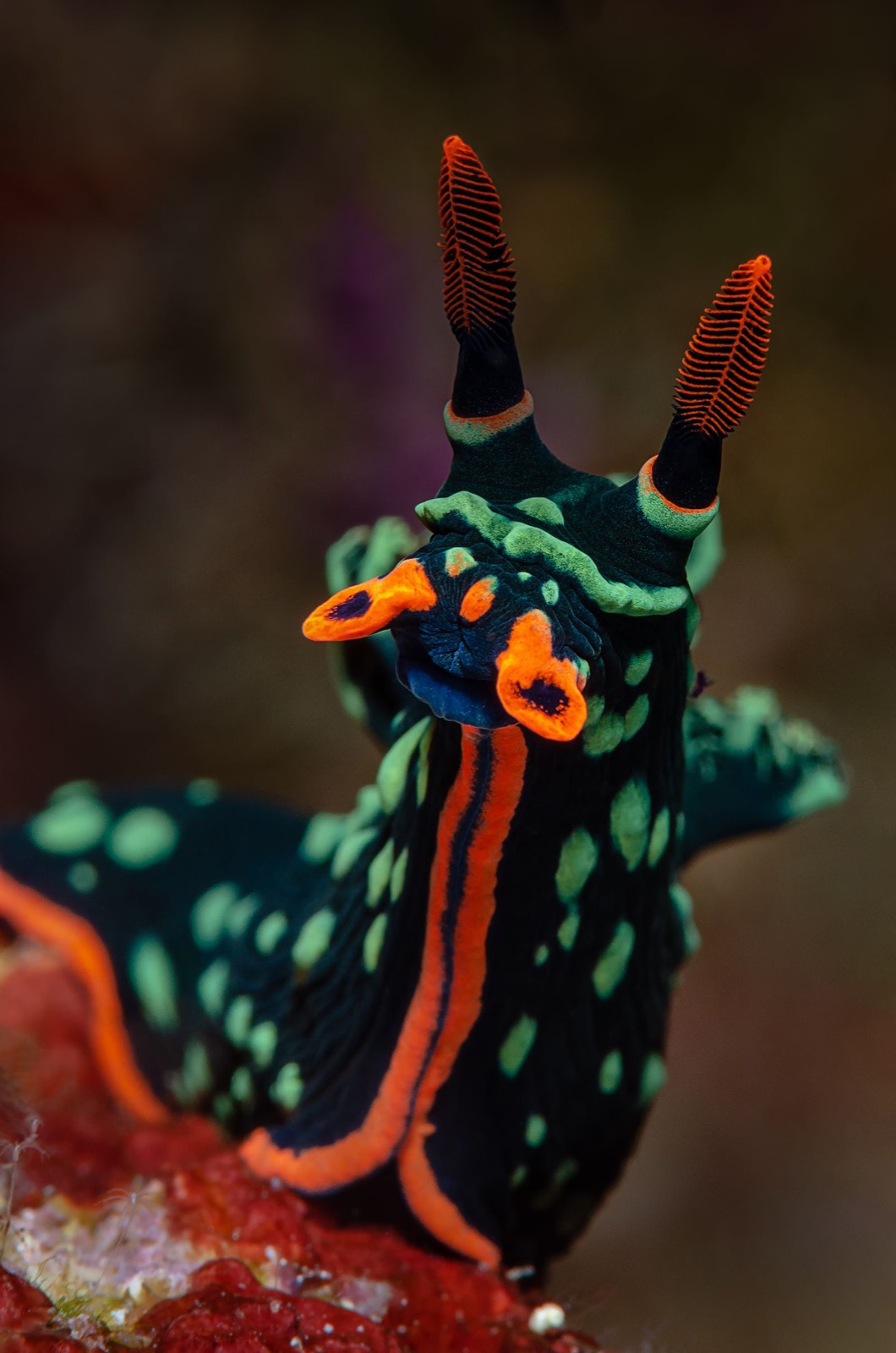
- Nudibranchs in hundreds of colours and shapes.
- Stargazers, ghost pipefish and blue-ringed octopus, among many others.
No dive guide can promise a specific animal, but experienced local guides know where each species tends to live.
Who Lembeh is for
Lembeh suits certified divers, especially those who enjoy slow dives and photography. If you are a beginner or prefer colourful reefs and big walls, Bunaken is a better first choice, and the two combine well on the same trip.
How to plan Lembeh with Bunaken
- Fly into Manado.
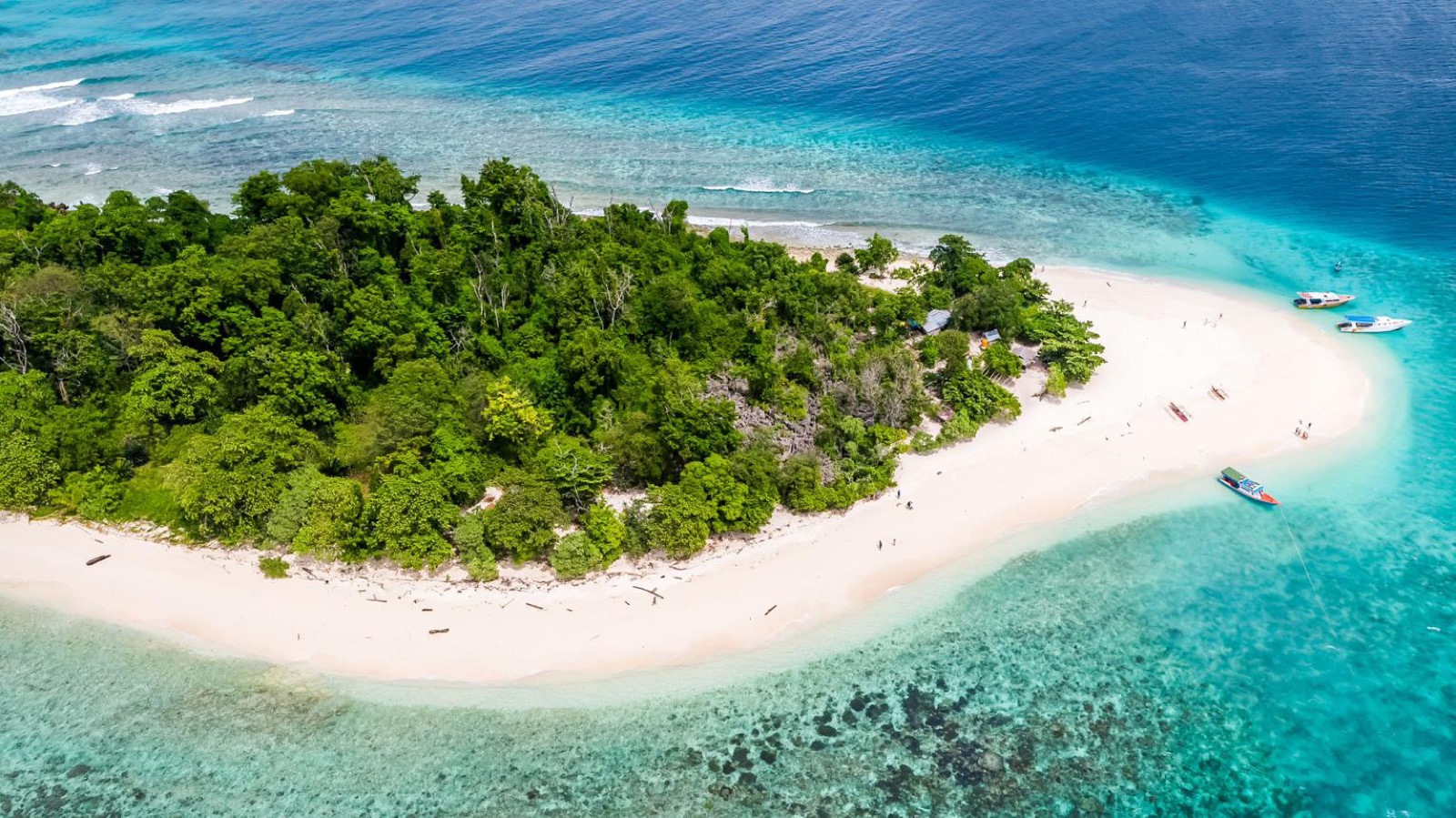
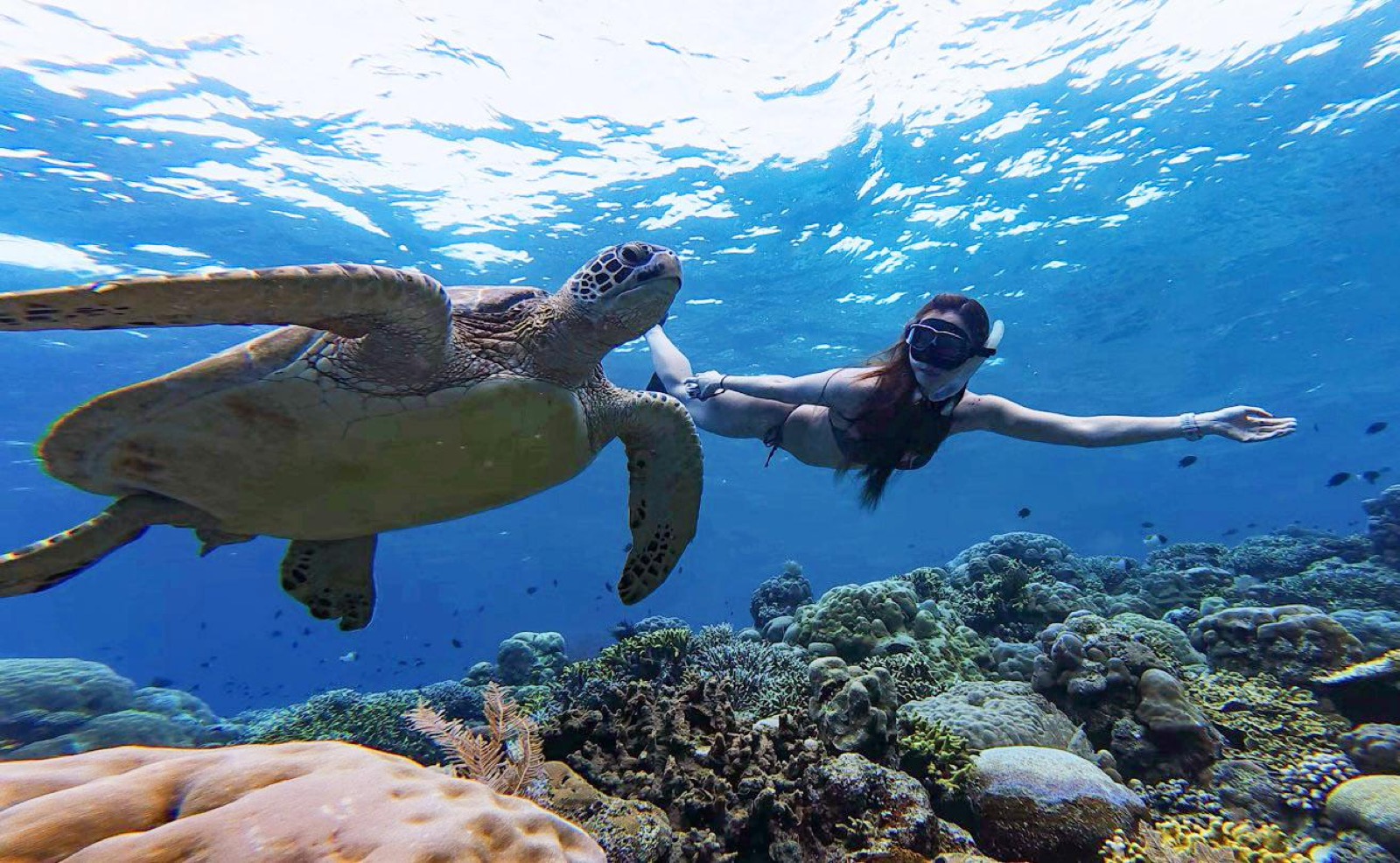
- Two or three days in Bunaken for reef walls and turtles (Bunaken Island Escape).
- Transfer to Bitung, about an hour by road, for two or more days of muck diving with a local dive operator.
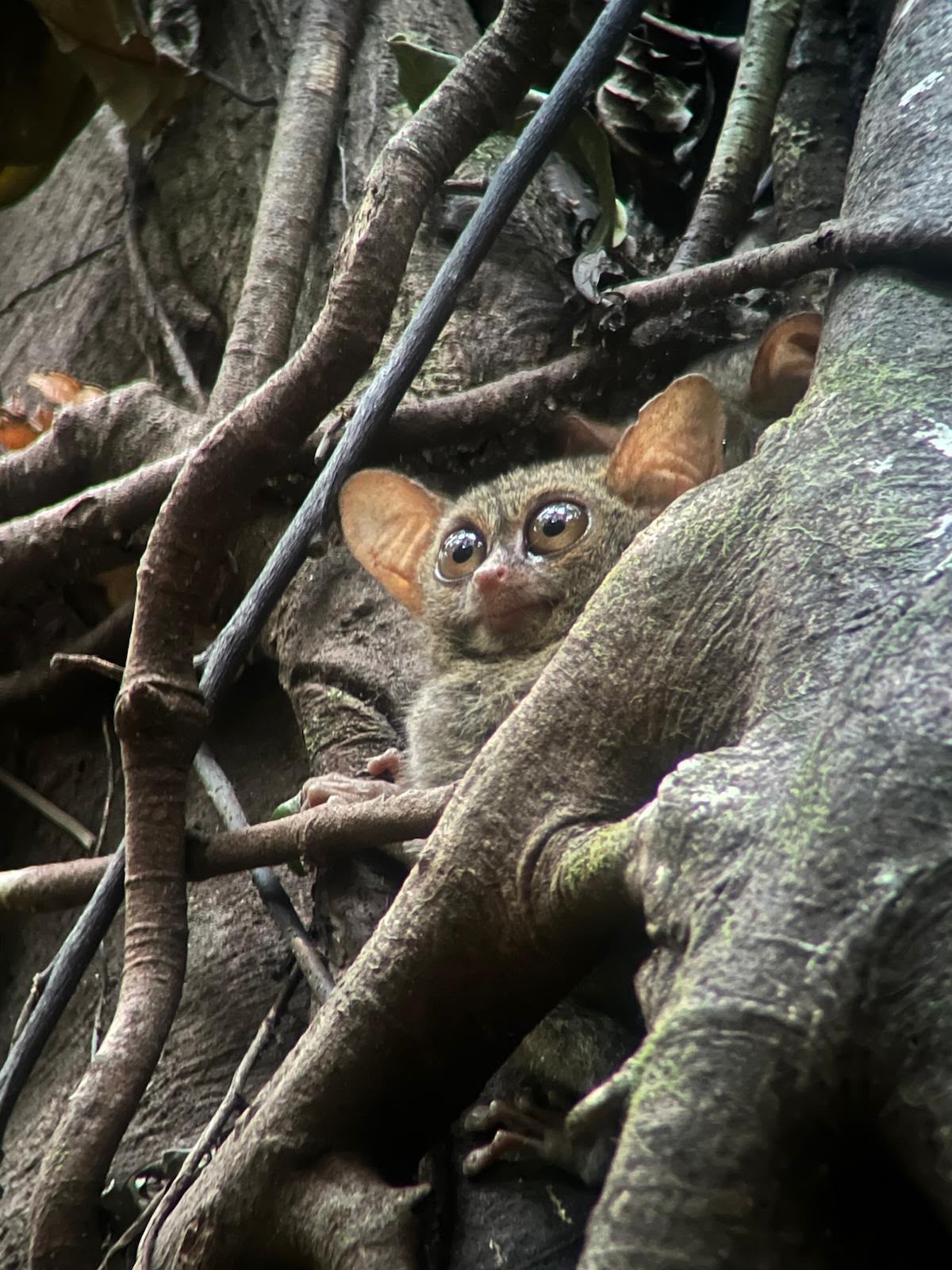
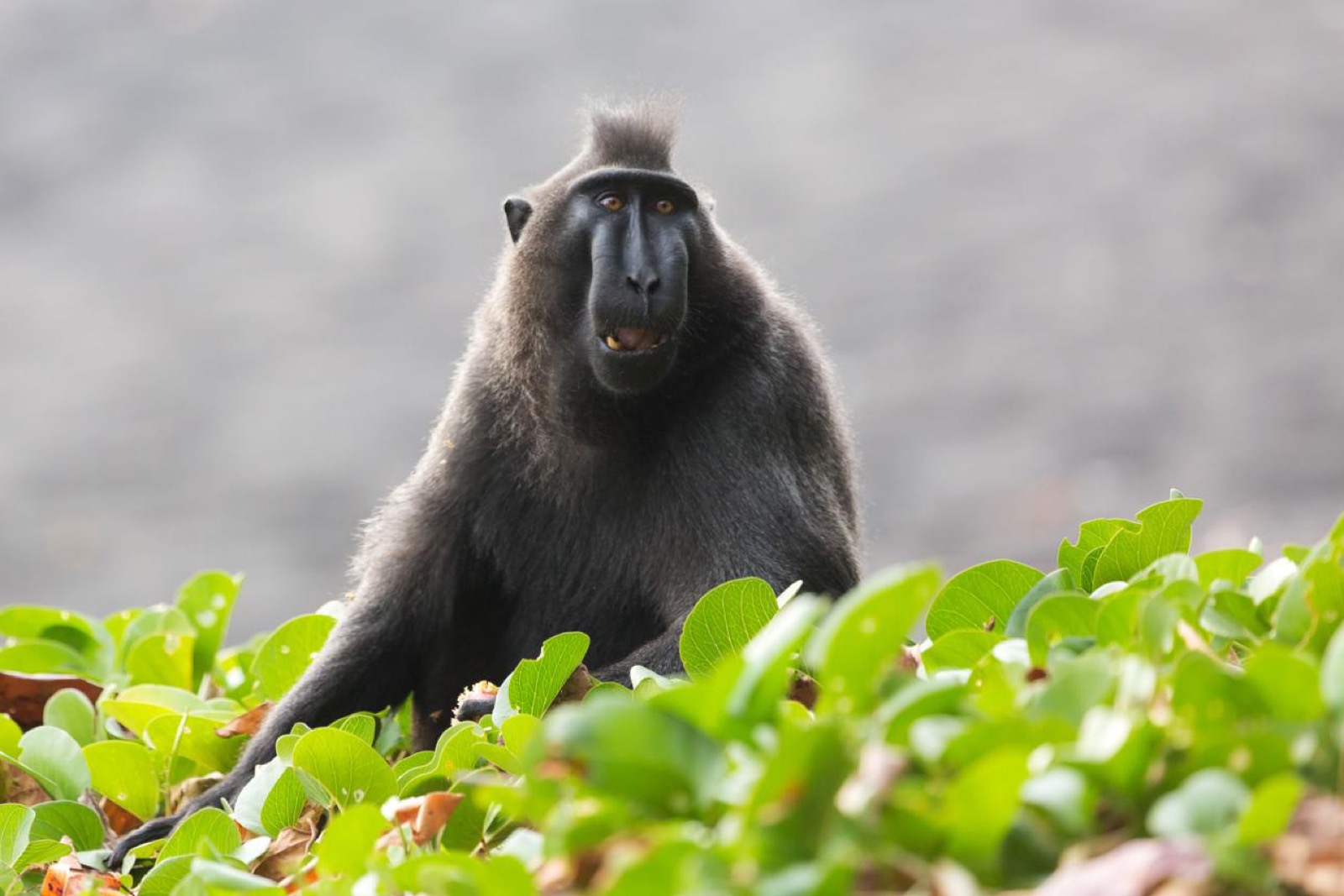
- Add Tangkoko, also near Bitung, for macaques and tarsiers on land.
Keep 24 hours between your last dive and your flight home.
FAQ
Where is Lembeh Strait?
Between Lembeh Island and the city of Bitung, on the east coast of North Sulawesi, about an hour by road from Manado.
What is muck diving?
Diving over sandy or silty seabeds to look for small, camouflaged animals rather than coral reefs. Lembeh is one of the best-known places to do it.
Can I combine Lembeh with Bunaken?
Yes. Bunaken is on the west side of North Sulawesi near Manado and Lembeh on the east side near Bitung; a few days in each works well.

We organise private trips across Sulawesi from our base in Tomohon, near Manado: Bunaken, Tangkoko and the Minahasa highlands every week, Toraja and Banggai on request. These guides come from the questions our travellers ask us most.