Why the answer depends on where you go
Sulawesi stretches across the equator, and its four peninsulas face different seas and winds. The same month can be dry in one region and wet in another, so it helps to plan by region. Temperatures change little through the year on the coast; the highlands of Tomohon and Toraja are cooler, especially at night.
The figures below are long-term averages. Any single year can be wetter or drier, and short tropical showers happen in every month.
North Sulawesi: Manado, Bunaken, Tangkoko, Tomohon
Manado has a tropical rainforest climate and gets a lot of rain over the year. In long-term records the driest stretch runs from July to September, with August the lowest at around 120 mm. The wettest months are December to February, when January averages over 400 mm.
Indonesia's weather agency BMKG has said the peak of the dry season in North Sulawesi usually falls in August, and can shift to September in some years. Conditions also vary inside the province.
Sea conditions for Bunaken and Lembeh
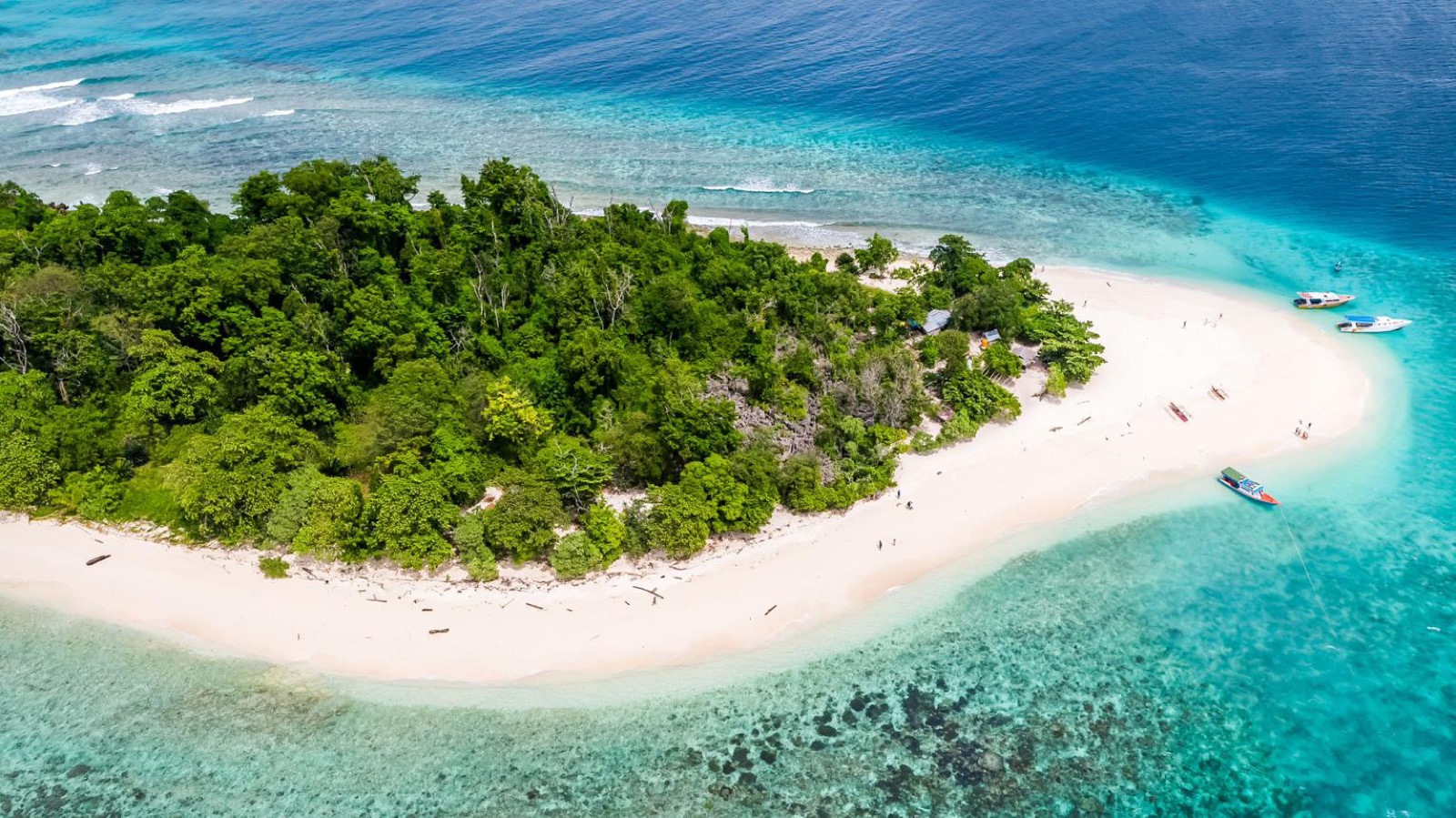
Dive operators in the Manado area generally describe March to October as the best diving season and say diving is possible all year. In the wetter months, wind can make the boat crossing rougher and heavy rain can reduce visibility near the coast. Bunaken almost always has some current, so your guide picks the site on the day. Lembeh Strait is a narrow channel between the mainland and Lembeh Island; ask your dive centre about conditions for your dates. More in our Bunaken guide and our Lembeh guide.
South Sulawesi and Toraja
Makassar has a much clearer pattern. Between May and October monthly rainfall stays below 100 mm, and August averages around 15 mm on a single rainy day. From December to February it often passes 500 mm a month. Places near Makassar, such as Rammang-Rammang, follow a similar rhythm.
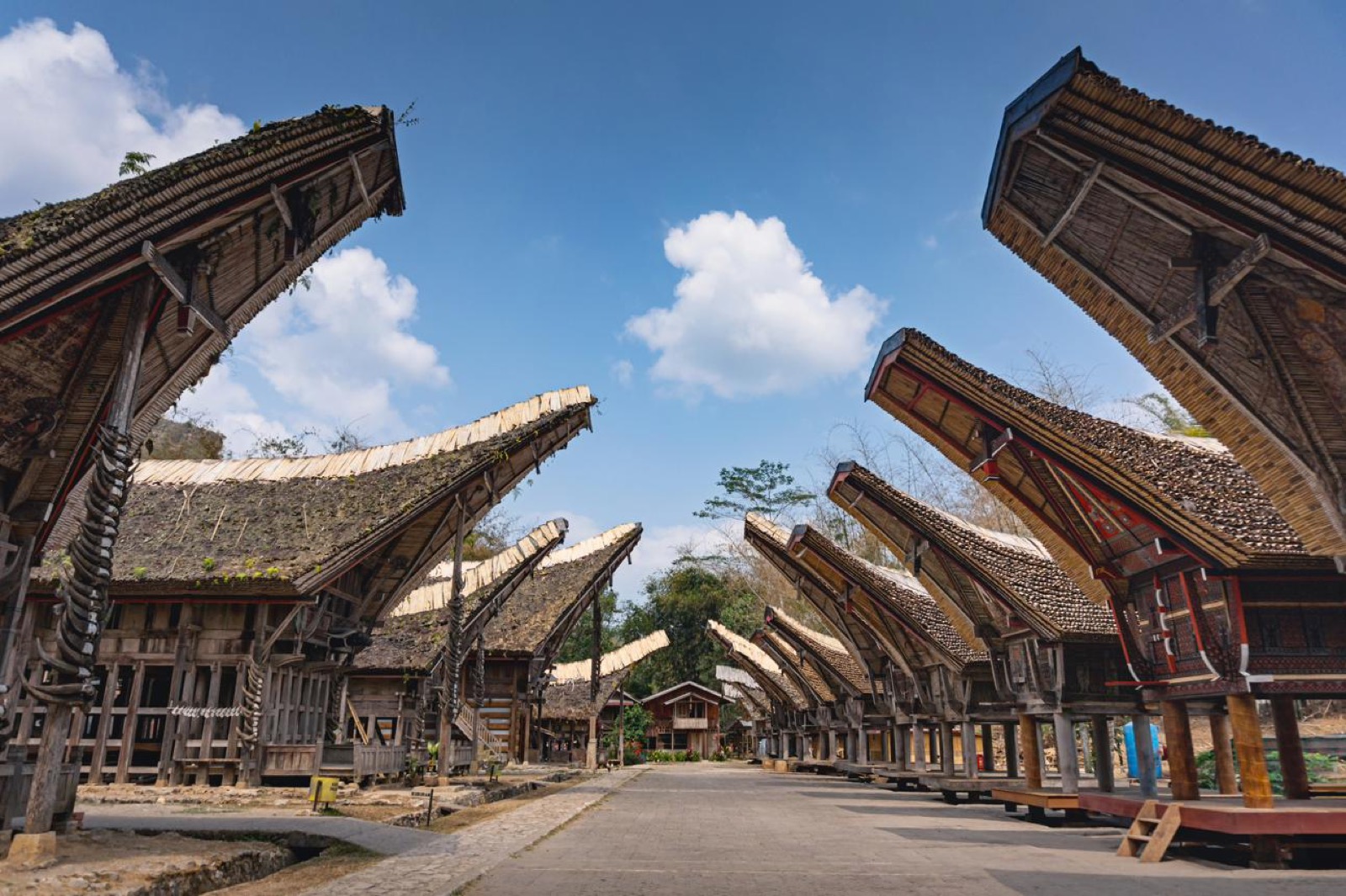
Toraja is in the highlands and wetter. Rantepao averages over 3,000 mm a year, with the least rain from June to October (September is the driest month) and the most from November to April. Trails to burial sites and viewpoints like Batutumonga are easier in the drier months.
Many travellers ask about funeral ceremonies. Travel sources often say they are more frequent from July to September, after the harvest, but ceremonies happen through the year and families set their own dates. A local guide is the only reliable way to know what is planned during your visit. See our Tana Toraja guide.
Central Sulawesi and the Togean Islands
Dive guides for the Togean Islands give April to October as the diving season and August and September as the months with the least rain. The south coast around Luwuk can be windier and wetter in June and July. Getting to the Togeans takes time, so rough sea days matter more here than elsewhere. Read our Togean Islands guide for access and timing.
Festivals by month
North Sulawesi has a busy calendar of events. Organisers confirm exact dates each year, so check before you fix your flights.
- February: Bunaken Festival, marine conservation and culture on the islands.
- March: Cap Go Meh in Manado, on the fifteenth day of the Lunar New Year.
- July: Lake Tondano Festival in Minahasa.
- August: Tomohon International Flower Festival (TIFF).
- October: Pesona Selat Lembeh in Bitung and the Tomohon Jazz Festival.
- December: the Christmas Festival across Manado and North Sulawesi.
Month by month
- January: wettest month in Manado and Makassar. Fine for Tomohon and Tangkoko if you accept showers; sea crossings can be rough.
- February: still wet in north and south. Bunaken Festival.
- March: rain easing in the north; start of the diving season for many Bunaken operators. Cap Go Meh in Manado.
- April: wettest month in Toraja; South Sulawesi starts to dry out.
- May: dry season begins around Makassar. Togean diving season under way.
- June: dry in the south, less rain in Toraja. Good month to combine North Sulawesi and Toraja.
- July: drier in Manado; Lake Tondano Festival.
- August: usually the driest month in Manado and Makassar. TIFF in Tomohon. Busy for Toraja.
- September: driest month in Toraja; still dry in the south and the north. Good for the Togeans.
- October: last of the dry months in the south; rain returns in Manado. Pesona Selat Lembeh and Tomohon Jazz Festival.
- November: wet season starting in most regions.
- December: wet in north and south. Christmas Festival in Manado and holiday crowds; book early.
North Sulawesi can be visited in any month if you plan around the weather. Tell us your dates and we arrange the order of the days around rain, sea conditions and festivals.
FAQ
What is the best month to visit Sulawesi?
For a trip that covers North Sulawesi and Toraja, July to September usually has the least rain in both regions. August is often the driest month in Manado and Makassar.
When is the rainy season in Sulawesi?
It depends on the region. Around Makassar the wet season peaks from December to February. Manado and Toraja get rain all year, with the wettest months from November to April.
When is the best time to dive Bunaken?
Most Manado dive operators give March to October as the best period, but diving is possible all year. Wind and rain in the wetter months can affect crossings and visibility.
Are there festivals in North Sulawesi?
Yes: Bunaken Festival in February, Cap Go Meh in March, Lake Tondano Festival in July, the Tomohon flower festival in August, Pesona Selat Lembeh and Tomohon Jazz in October and the Christmas Festival in December.

We organise private trips across Sulawesi from our base in Tomohon, near Manado: Bunaken, Tangkoko and the Minahasa highlands every week, Toraja and Banggai on request. These guides come from the questions our travellers ask us most.